What is a PRP Facial?
A PRP facial is a skin treatment that uses your own blood to help your skin look fresher. PRP stands for platelet-rich plasma. During a PRP facial procedure, a doctor takes a small amount of your blood, separates the plasma, and applies it to your face. Many people call this the “vampire facial.” This treatment is popular because it uses natural parts of your blood. If you wonder about platelet-rich plasma facial steps or what to expect during a PRP facial, this guide will help you understand each stage.
Who is a Good Candidate?
Not everyone is the best fit for a PRP facial. However, many people can benefit from this treatment. You may be a good candidate if you:
Still, it is important to talk to a certified dermatologist before starting. They can help decide if this treatment is safe for you.
Step-by-Step Guide to a PRP Facial
Knowing the steps can help you feel more comfortable. Here is what usually happens during a PRP facial:
1. Consultation
First, you meet with a skin specialist. During this visit, you discuss your skin goals. The doctor checks your skin and reviews your medical history. If you are a good candidate, they explain the process and answer your questions.
2. Blood Draw
Next, a small amount of blood is drawn from your arm. This step is quick and feels like a regular blood test. The blood is placed in a special tube for the next stage.
3. Plasma Preparation
After the blood draw, the tube goes into a machine called a centrifuge. This machine spins the blood very fast. As a result, it separates the plasma from other parts of the blood. The plasma is rich in platelets, which help heal and renew skin.
4. Facial Application
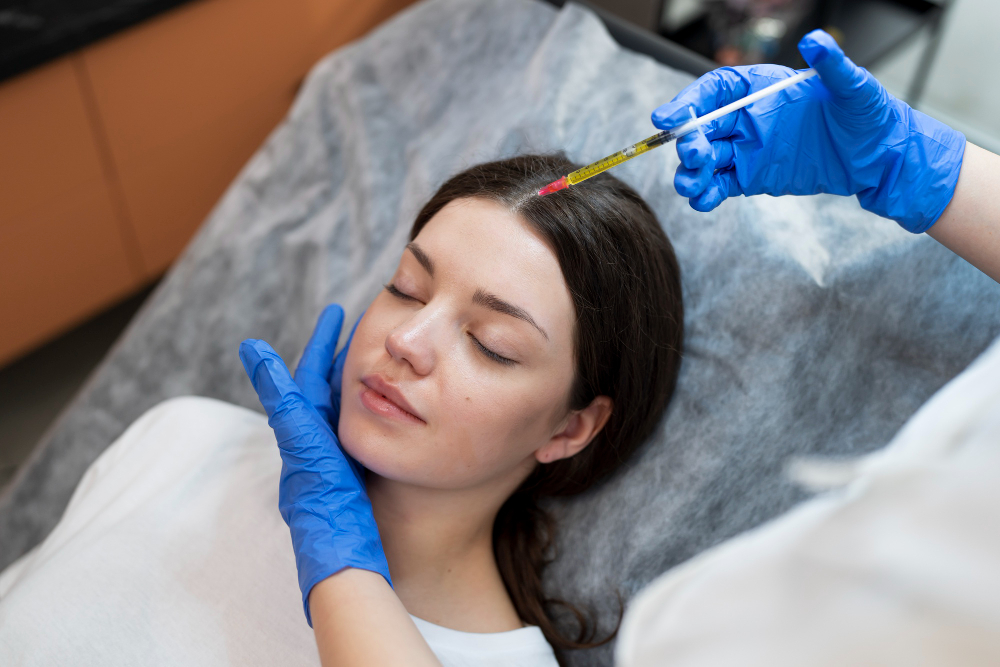
Then, your face is cleaned. Sometimes, a numbing cream is applied to reduce discomfort. The doctor uses a tiny needle or a microneedling device to apply the plasma to your skin. The plasma can be spread over the skin or injected into certain areas. This step may cause mild redness or tingling.
5. Aftercare
Finally, you get aftercare instructions. You may be told to avoid sun, makeup, or harsh products for a day or two. Most people can return to daily activities soon after the treatment. However, following your doctor’s advice helps your skin heal well.
Benefits and Expected Results
Many people choose PRP facials for natural-looking results. Some key benefits include:
Results may appear within a few weeks. For best results, you may need more than one session. Your doctor will suggest a plan based on your skin needs.
Safety, Risks, and Side Effects
PRP facials are generally safe when done by trained professionals. Since your own blood is used, the risk of allergic reaction is low. However, some mild side effects can happen, such as:
Serious risks are rare but can include infection or scarring. Therefore, always choose a certified clinic and follow aftercare instructions. If you notice any unusual symptoms, contact your doctor right away.
Frequently Asked Questions
For more information or to see if a PRP facial is right for you, consult a certified dermatologist.